What is the plastic extrusion process?
Jun 14, 2024
Leave a message
What is the plastic extrusion process?
The principle of plastic extrusion mainly involves the process of heating, conveying, compacting, melting and plasticizing plastic raw materials, and extruding and cooling them through the die head through the thrust of the screw.
The extruder mainly consists of a screw, a barrel, a heating and cooling system, a gearbox transmission system, and a control device. The design of screws is usually divided into three stages: melting stage, plasticizing stage, and compression stage, and the design of these parts directly affects the quality and output of extruded products. During the extrusion process, plastic is transported, compressed, melted and plasticized between the rotating screw and the barrel, and processed into shape through the machine head. When the extruder is equipped with different auxiliary machines, it can produce pipes, bars, sheets, films, monofilaments, and various forms of irregular materials.
The working principle of the extruder is based on the solid material being added from the hopper, and under the action of the rotating screw, it is conveyed and compacted forward through the friction between the inner wall of the barrel and the surface of the screw. In this process, the material gradually transitions from a solid state to a molten state and is continuously transported to the front of the screw. It enters the machine head for molding through a filter screen and a splitter plate.
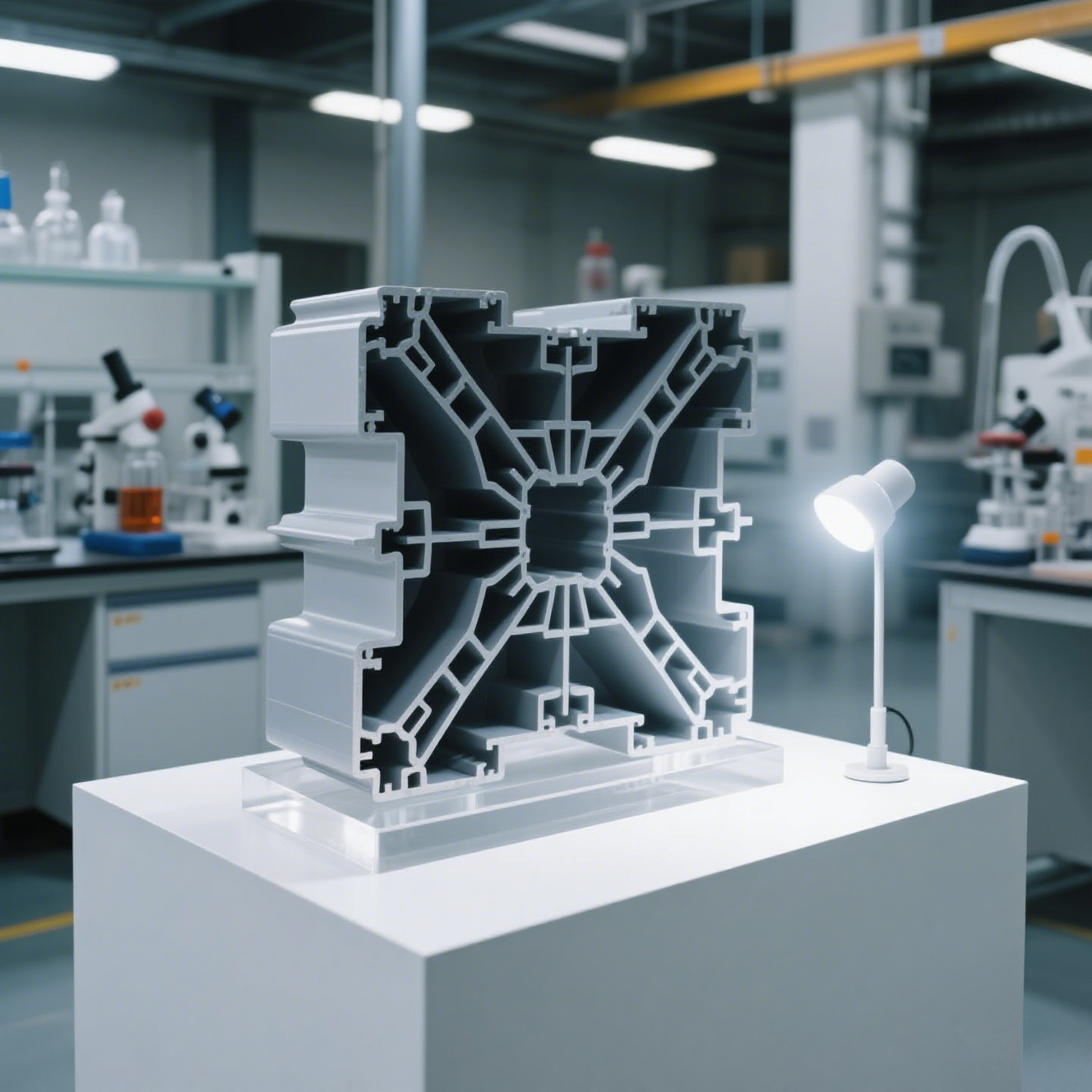
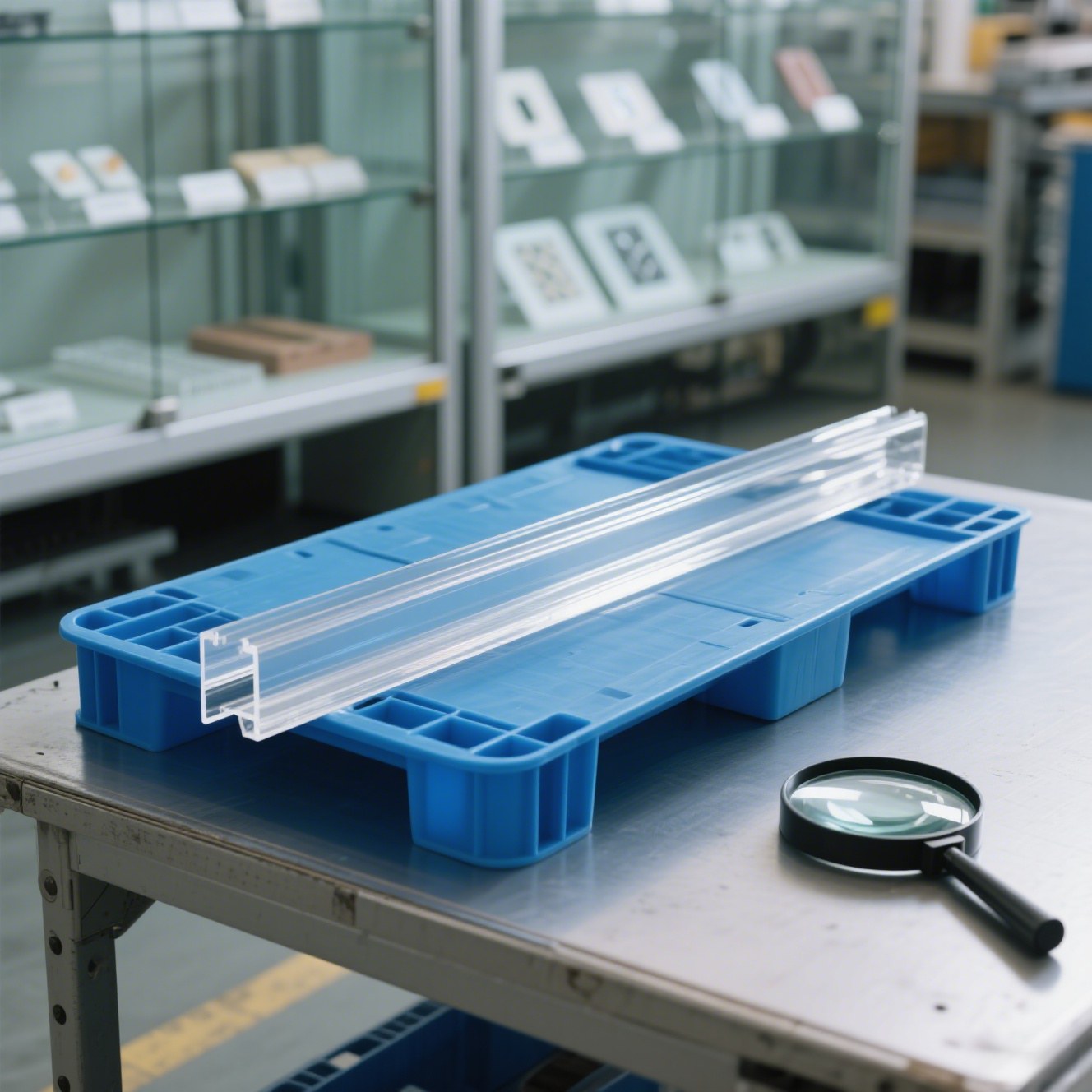
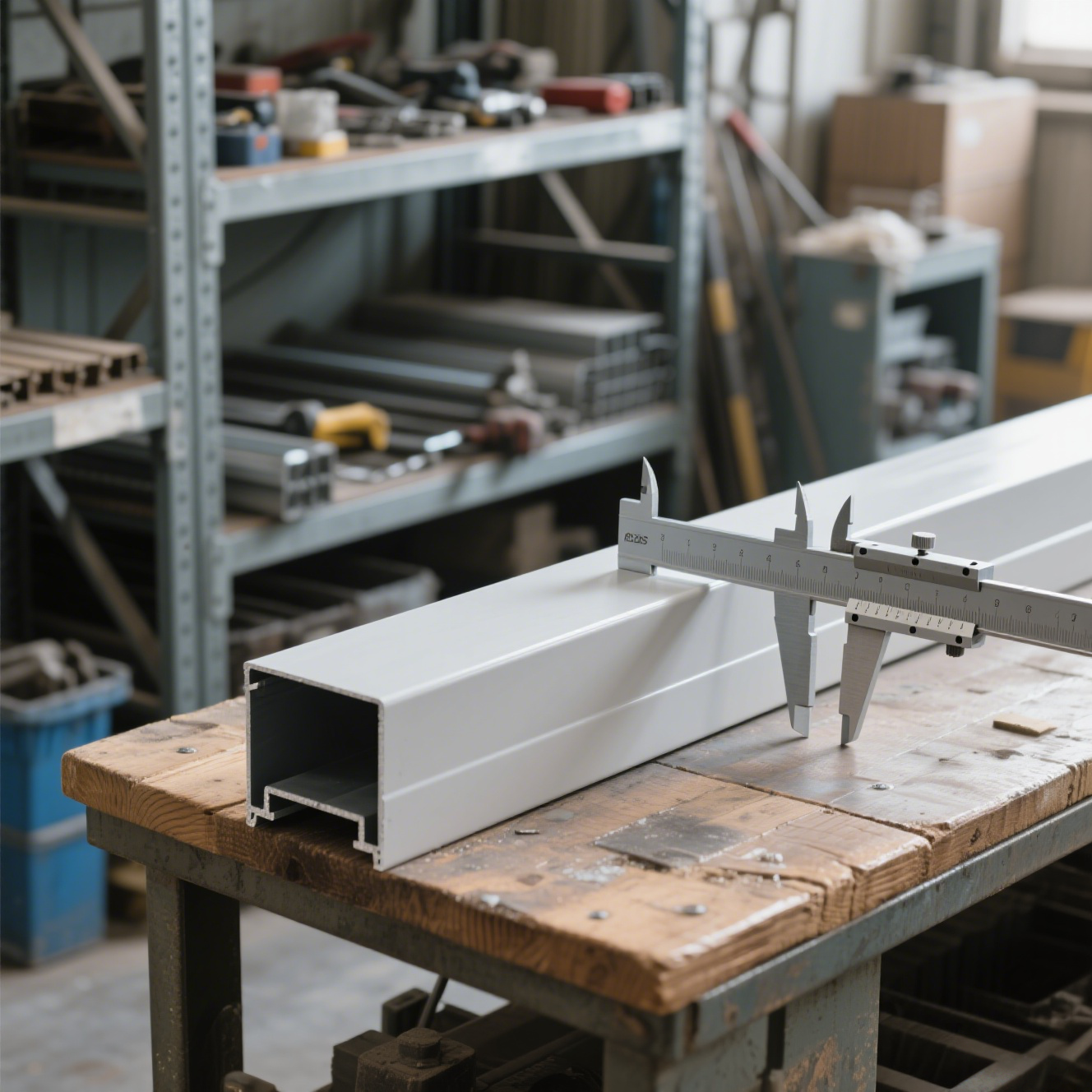
The extrusion method of an extruder generally refers to melting plastic at a high temperature of around 200 degrees, and the melted plastic forms the desired shape when passing through the mold. Extrusion molding requires a deep understanding of plastic properties and rich experience in mold design, making it a technically demanding molding method.
In addition, the screw of the extruder is actually an inclined surface or slope, wound around the central layer, with the purpose of increasing pressure to overcome greater resistance. Extrudable plastics are thermoplastics – they melt when heated and solidify again when cooled. The heat for melting plastic mainly comes from the preheating of the feed and the cylinder/mold heater, but the input energy of the motor – the frictional heat generated in the cylinder when the motor overcomes the resistance of the viscous melt to rotate the screw – is the most important heat source for all plastics.

What is plastic extrusion vs plastic injection molding?
Previous
What is aging? How to enhance the aging resistance of nylon?
Next