

What is plastic extrusion vs plastic injection molding?
Jun 14, 2024
Leave a message
Conceptual comparison
Extrusion molding:
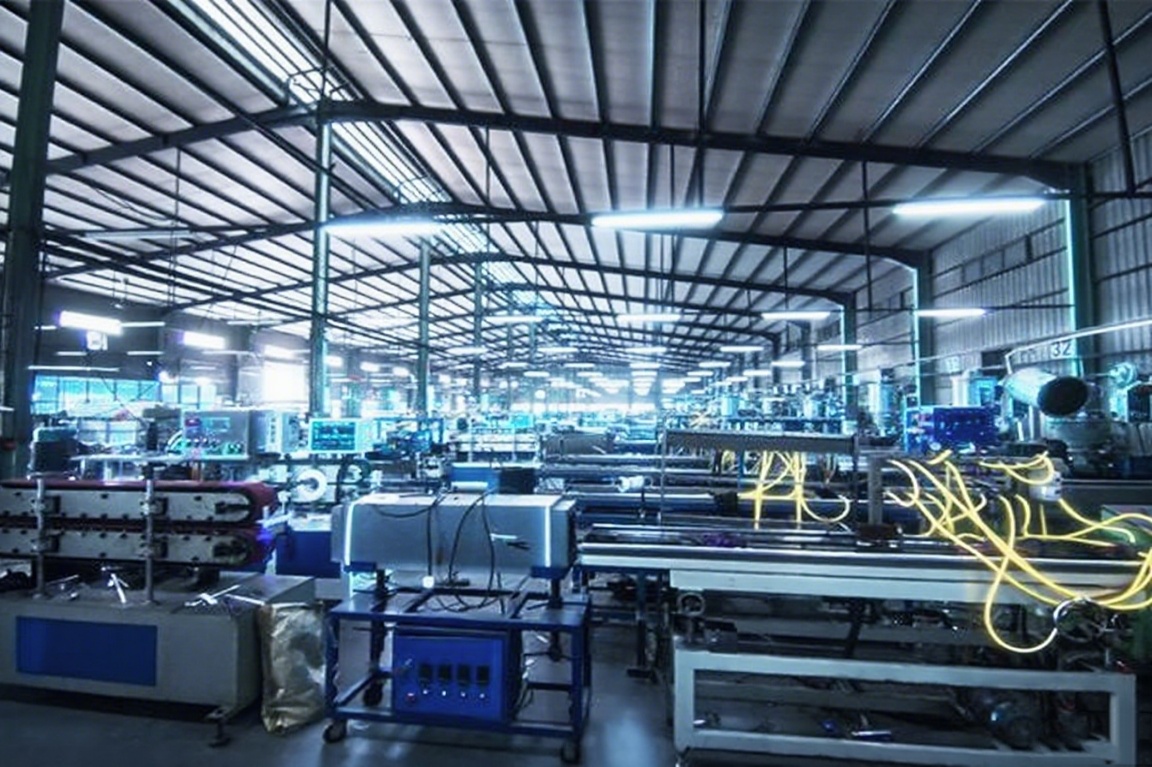
Extrusion molding, also known as extrusion molding in plastic processing, utilizes hydraulic pressure to extrude the mold itself in non rubber extruder processing. It refers to a processing method in which materials are continuously processed into various cross-sectional products or semi-finished products through the action between the extruder barrel and the screw, while being thermally plasticized and pushed forward by the screw.
Injection molding:
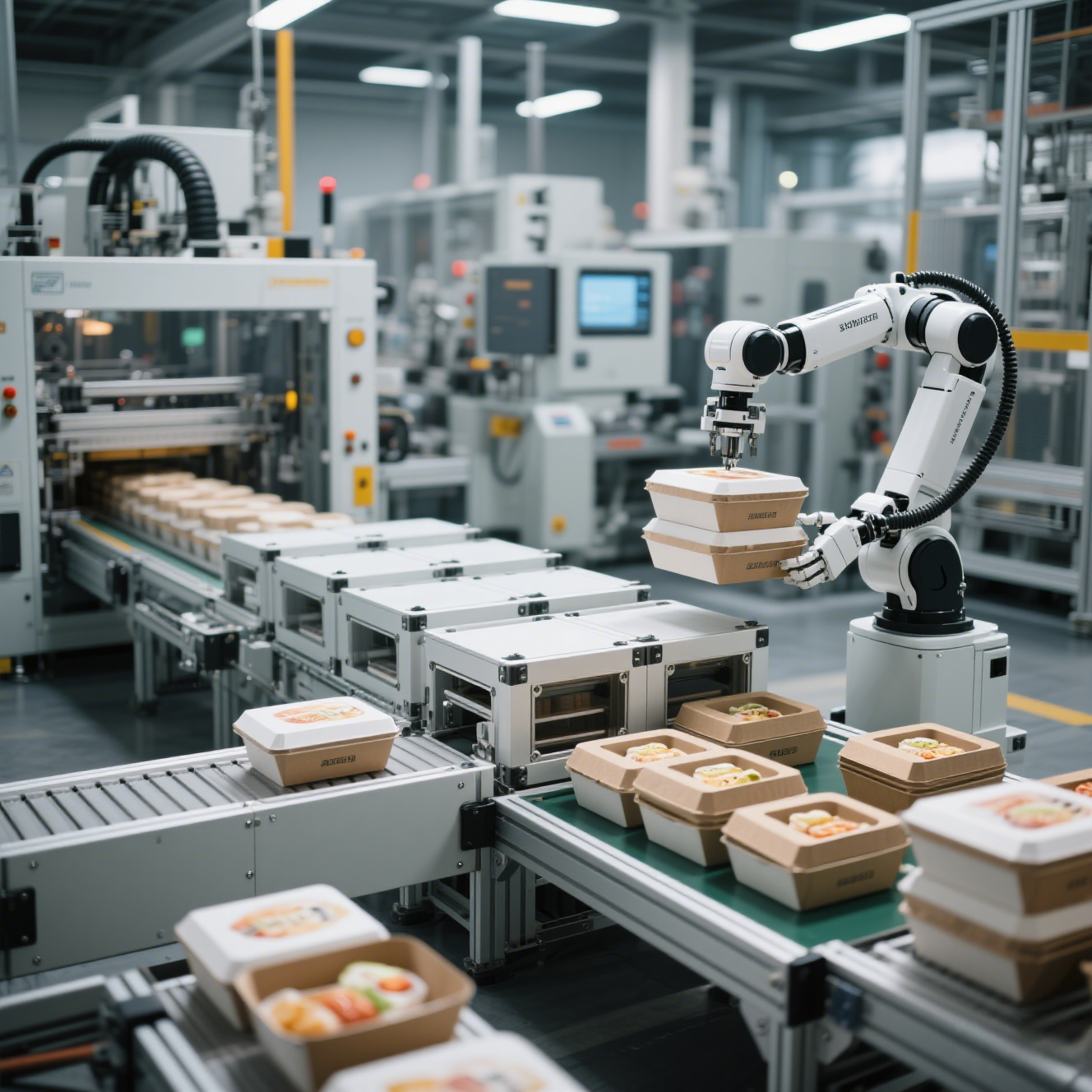
The injection molding machine utilizes the properties of plastic that can melt into a liquid after being heated to a certain temperature. The molten liquid is injected into a closed mold cavity under high pressure, cooled and shaped, and then ejected after mold opening to obtain the desired plastic product.
The main difference between plastic extrusion and injection molding lies in the differences in processing technology, product shape, material requirements, and applicable raw materials.
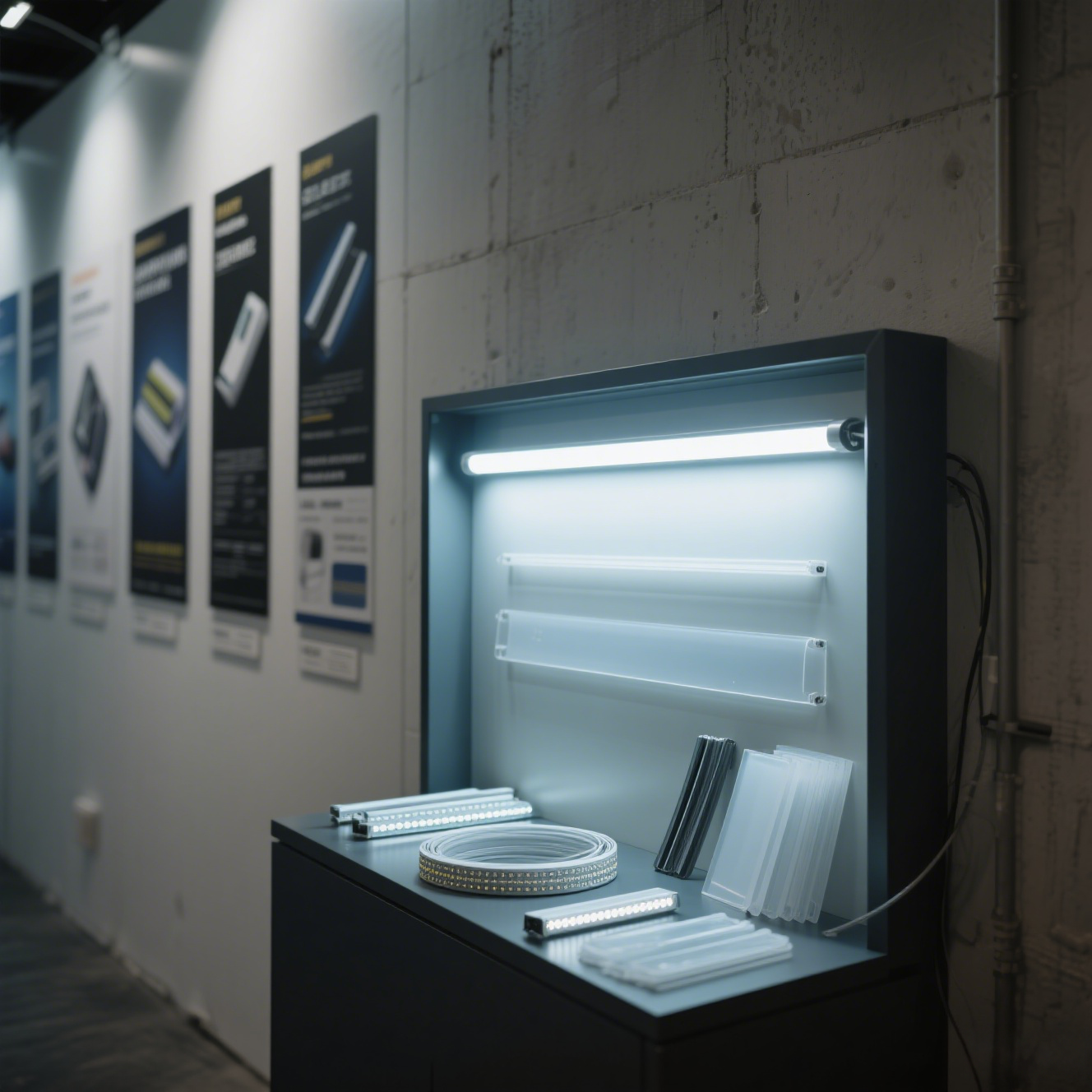
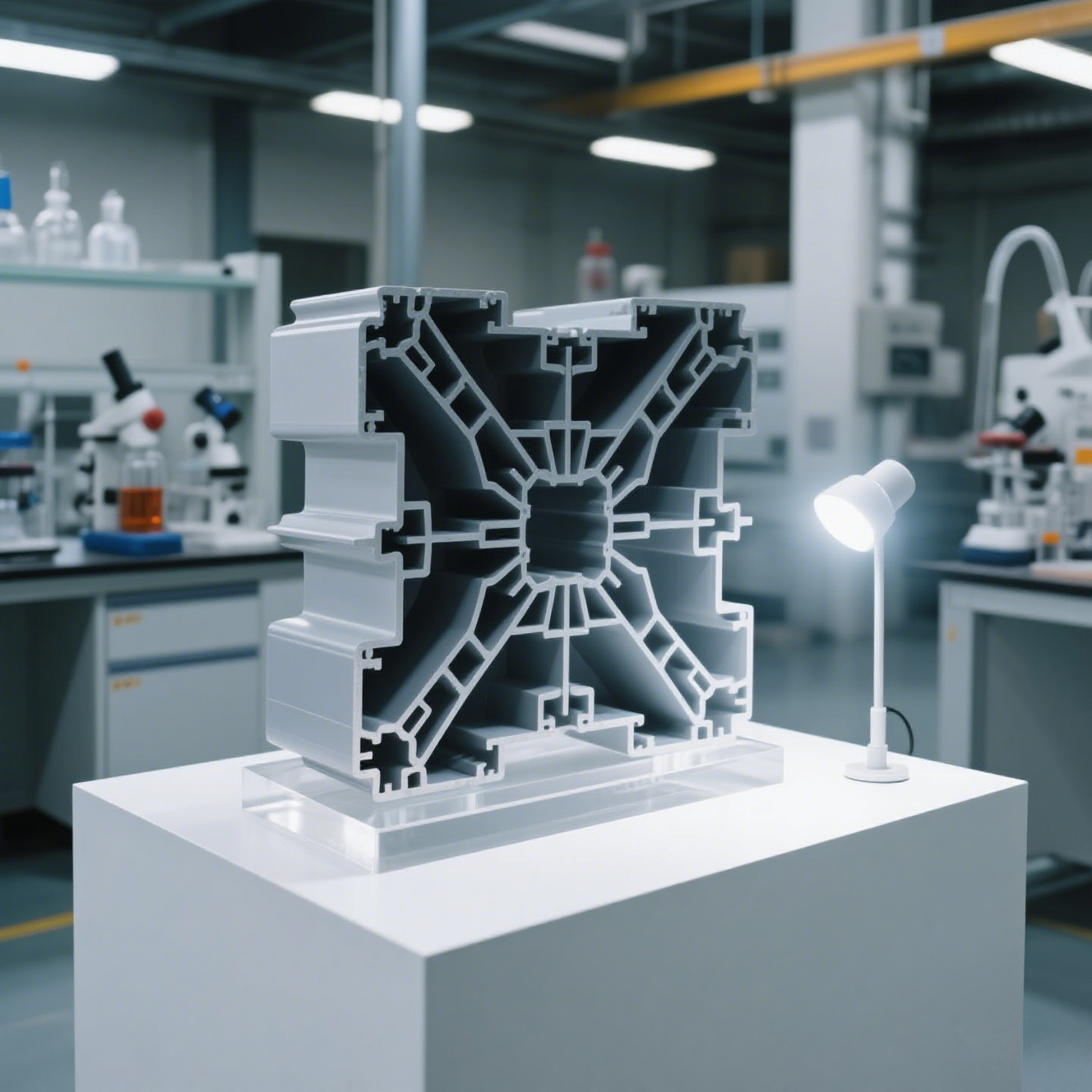
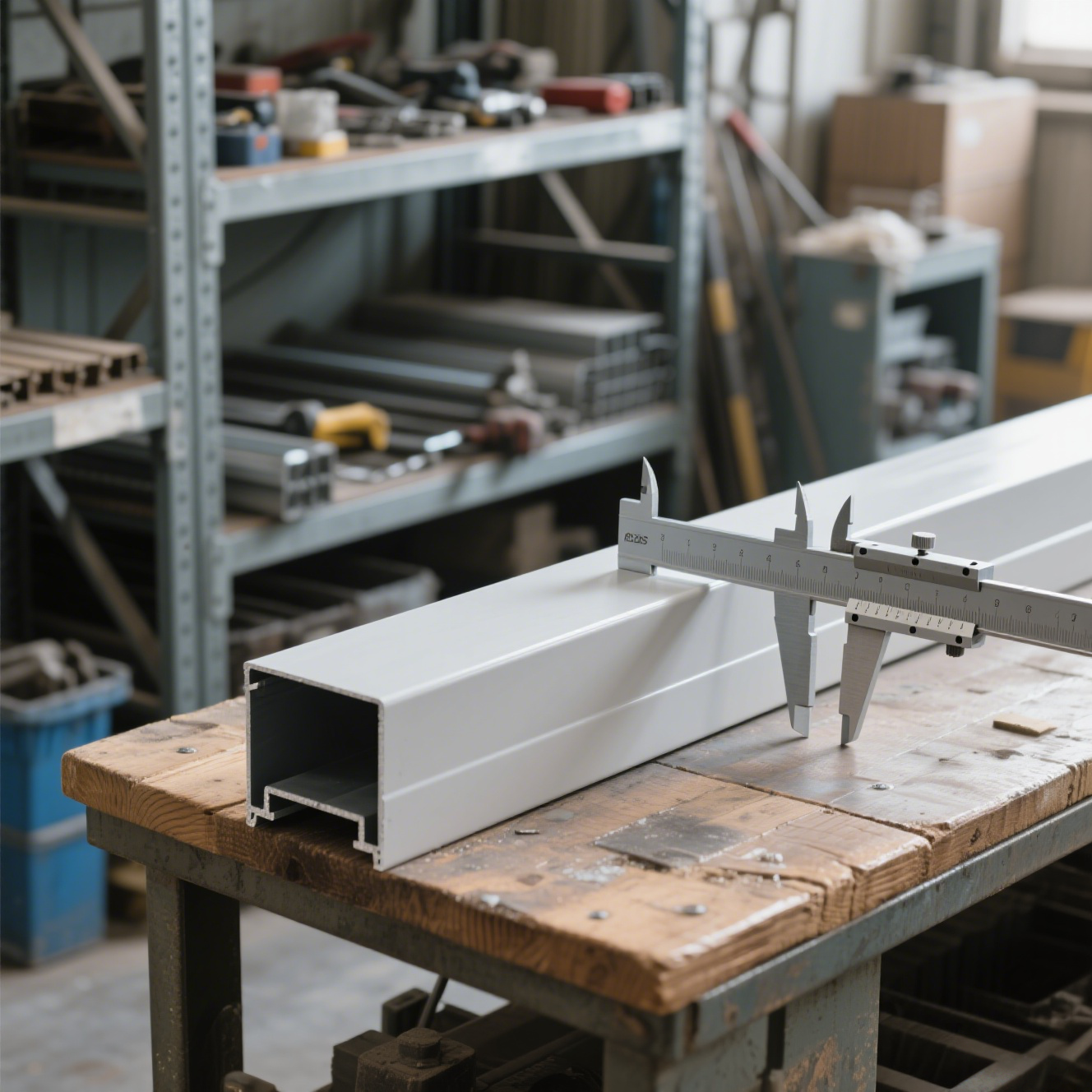
Processing technology: Extrusion technology is the continuous extrusion production within the cross-sectional shape range of the mold, which can produce products of infinite length, such as pipes, profiles, plates, sheets, etc. The injection molding process involves injecting molten plastic material into a sealed mold cavity under high pressure, cooling and shaping it to obtain the desired plastic product. It is often used to produce products with fixed shapes, such as phone cases, bowls, computer casings, etc.
Product shape: The extrusion process can produce continuous strip products with specific cross-sectional shapes, such as pipes and profiles, which can be very long and almost unrestricted in length. The injection molding process is mainly used to produce products with complex internal structures and shapes, such as small packaging boxes, daily necessities, and special-shaped parts.
Material requirements: Injection molding requires materials with good fluidity and color consistency to adapt to the production of thin-walled and large products. In contrast, extrusion has relatively lenient requirements for materials, as the extrusion process is open and there is no significant resistance from the reverse direction of the mold.
Applicable raw materials: The extrusion process is suitable for the vast majority of thermoplastic plastics and some thermosetting plastics, such as PVC, PS, ABS, PC, PE, PP, PA, etc. The injection molding process is almost applicable to all thermoplastic materials and can process certain thermosetting plastics.
In summary, there are significant differences between plastic extrusion and injection molding in processing methods, product types, material requirements, and applicable raw materials, which determine their different applications and advantages in the plastic processing industry.
Example picture
Plastic injection

Plastic extrusion

Common problems and solutions in TPE extrusion processing
Previous
What is the plastic extrusion process?
Next