



what does diffuse light mean
Dec 04, 2024
Leave a message
The principle of light diffusion refers to the phenomenon that the propagation direction of light changes due to tiny inhomogeneity or scattering in the medium when light passes through the medium. This phenomenon is very important in the field of optics, and is widely used in the fields of optical devices, optical communication and optical sensing.
The principle of light diffusion can be explained by scattering theory. When the light passes through the medium, due to the tiny inhomogeneity or the existence of impurities in the medium, the light will interact with it, resulting in random changes in the propagation direction. For uniform transparent media, the propagation direction of light will not change, so there will be no light diffusion phenomenon; For non-uniform media, such as tiny non-uniformity or impurities in gas, liquid or solid, the propagation direction of light will change, resulting in light diffusion.
The degree of light diffusion is closely related to the nature of the medium and the wavelength of light. The shorter the wavelength of light, the larger the scattering angle will be when it interacts with the tiny inhomogeneity or impurities in the medium, resulting in a more obvious change in the direction of light propagation.
The main means of development at present is to add light diffusers, which are essentially spherical microspheres with a near-nanometer size and high sphericity, that can both transmit and scatter visible light.
Light diffusers can be added to transparent resins such as PC, PVC, PS, PMMA, PET, and epoxy resin, as well as LEDs (light-emitting diodes), to increase light scattering and transmission, while also hiding the glare of point light sources and allowing the entire resin to emit a softer, more beautiful, and elegant light, achieving a comfortable effect of translucent transparency.
Diffused light plays an important role in lighting design. Its main functions include the following aspects:
1.Uniformity: diffused light can provide uniform lighting effect and eliminate the strong contrast between the lighting area and the shadow area. This is particularly important for spaces that require consistent visibility, such as offices, educational environments, and medical facilities.
2.Reduce glare: direct light is easy to cause glare, while diffused light is distributed through soft light, which can effectively reduce glare and create a comfortable working, relaxing and social environment.
3.Soft Aesthetics: diffused light creates a soft and gentle atmosphere, making the space more warm and comfortable. It is suitable for residential, commercial environment, art galleries and other places.
4.Highlight details: diffused light can highlight architectural details, textures and colors without producing harsh shadows, making it a powerful tool to emphasize indoor beauty
5.Extensive application scenarios: diffused light is not only suitable for residential space, but also widely used in commercial environment, hotels, art galleries and other places to ensure that screens, products or food will not be damaged by glare and improve the overall experience.
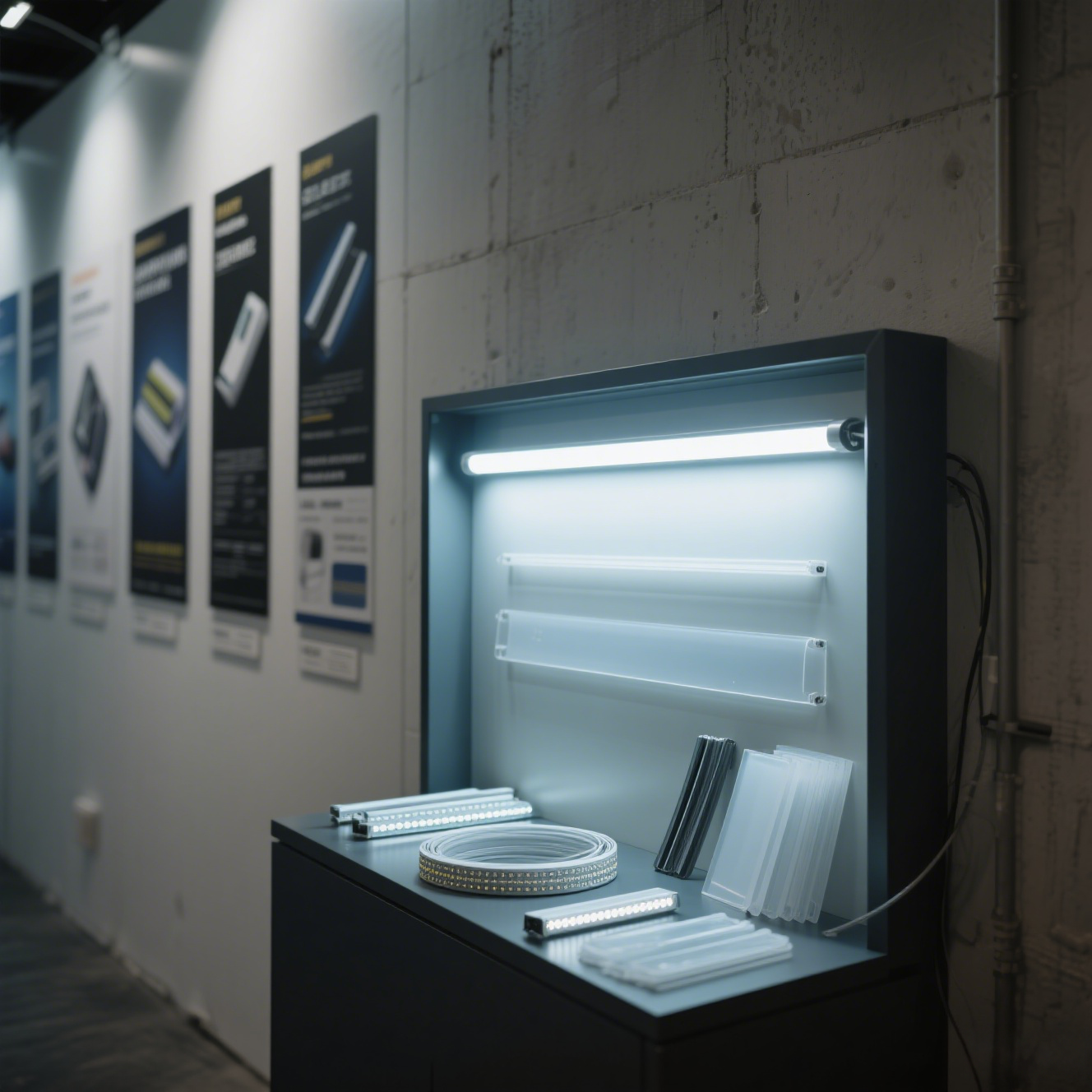
6.Technical realization: diffused light is usually achieved by using diffusers (such as light diffusion plates). These materials scatter light to spread and diffuse light in multiple directions, so as to achieve soft and uniform lighting effect.
7.Visual comfort: diffused light can help reduce visual fatigue and provide a more natural visual experience. Especially in film production and photography, it is widely used to reduce wrinkles and sharp facial features.
The application and technological development of light diffusion plate in lighting design not only improve the lighting effect and visual comfort, but also promote the technological progress in related fields. In the future, with the further optimization of materials and manufacturing processes, light diffusion plates will play a greater role in more fields.
No Information
Previous
Why is engineering plastics so popular in the market?
Next