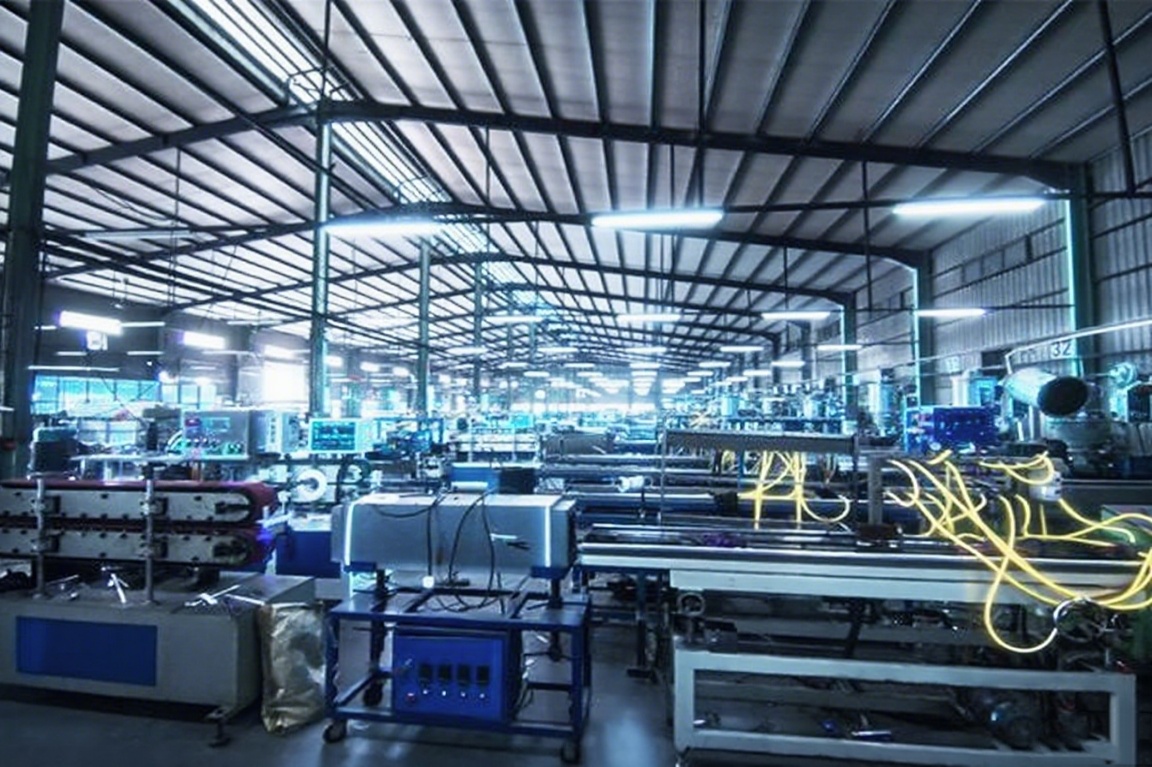
led strip diffuser plastic extrusion specification
Material : Polycarbonate 2805
Color : Clear
Height : 10mm
Width : 15mm
Thickness : 1mm
Weight : 95g/meter
Overview of Engineering Plastics
The English name of engineering plastics is: engineering-plastics. Engineering plastics refer to industrial plastics used as industrial parts or shell materials. They are plastics with excellent strength, impact resistance, heat resistance, hardness and aging resistance. The Japanese industry defines it as “a high-performance plastic that can be used as a structure and mechanical parts, with a heat resistance above 100 °C, and is mainly used in industry”. Its properties include:
1. Thermal properties: glass transition temperature (Tg) and melting point (Tm); high heat distortion temperature (HDT); high long-term use temperature (UL-746B); large operating temperature range; small thermal expansion coefficient.
2. Mechanical properties: high strength, high mechanical modulus, low latent, strong wear resistance and fatigue resistance.
3. Others: chemical resistance, electricity resistance, flame resistance, weather resistance, good dimensional stability.
Those considered as general engineering plastics include polycarbonate (PC), polyamide (nylon PA), polyoxymethylene (POM), modified polyphenylene ether (modified PPE), polyester (PETP, PBTP), polyphenylene sulfide ( PPS), polyarylate, and thermosetting plastics include unsaturated polyester, phenolic plastic, epoxy plastic, etc. Their basic characteristics are that the tensile strength is over 50Mpa, the tensile strength is over 500kg/cm, the impact resistance is over 50J/m, the flexural modulus is 24000kg/cm, the load bending temperature is over 100℃, and the hardness and aging are excellent. If polypropylene improves its hardness and cold resistance, it can also be included in the scope of engineering plastics. In addition, it also includes fluoroplastics with weak strength and excellent heat resistance and chemical resistance, silicon melt compounds with excellent heat resistance, as well as polyamideimide, polyimide, Polybismaleimide, Polysufone (PSF), PES, acrylic plastic, modified melamine plastic, BTResin, PEEK, PEI, liquid crystal plastic, etc.
Wear-resistant modified engineering plastics
Wear-resistant modified engineering plastics can provide a lower coefficient of friction to reduce the wear rate. For example, the cover of the blood glucose meter can increase its lifespan when it is opened and closed by using wear-resistant materials. At the same time, wear-resistant modified engineering plastics are also used in color matching products, and even between different materials. In single-use products such as needles and blades also benefit from the material’s lubricating action. In addition, other applications for wear-resistant materials include catheters, cannulas, transmissions and vacuum tubes. Other effects include reduced noise due to the movement of smooth parts, improved plastic processing performance and extrusion efficiency.
Conductive modified engineering plastics
Pre-dyed modified engineering plastics
In recent years, plastic color matching technology has developed rapidly. In medical applications, designers can choose between FDA-compliant and non-migrating pigments. Unique color effects can help create a product’s unique selling point and benefit medical device designers. When medical products enter the home consumer market from the hospital, colorful and lovely colors and fluorescent effects help to enhance the value of the products. In addition, the application of elastomer can make the product have a soft touch and increase the added value. Medical devices with pleasant and pleasant colors can also make patients more willing to cooperate with treatment, while reducing their suffering.
Ten years ago, China’s engineering plastics industry had just started, and the production capacity was seriously lagging behind the demand. More than 85% of the raw resins were imported, and more than half of the modified resin materials used foreign products. Today, my country’s engineering plastic resins can be produced in China, the polymerization capacity has reached about 600,000 tons per year, and the annual output of modified resin materials is more than 2 million tons. Even the special engineering plastics that were embargoed by foreign countries in the past Resin is now almost produced domestically and can be exported in small quantities.
Led Strip Light Plastic Extrusion picture:


Hot Tags: led strip diffuser plastic extrusion, China, suppliers, manufacturers, factory, customized, buy, made in China