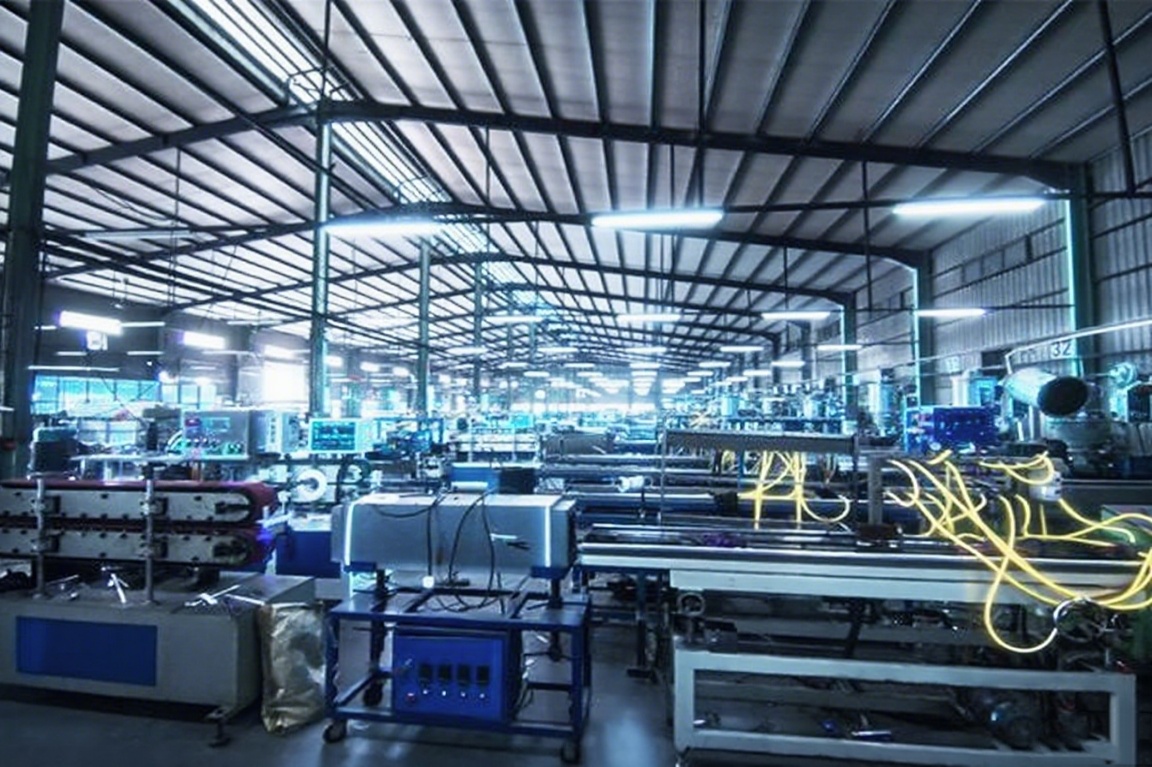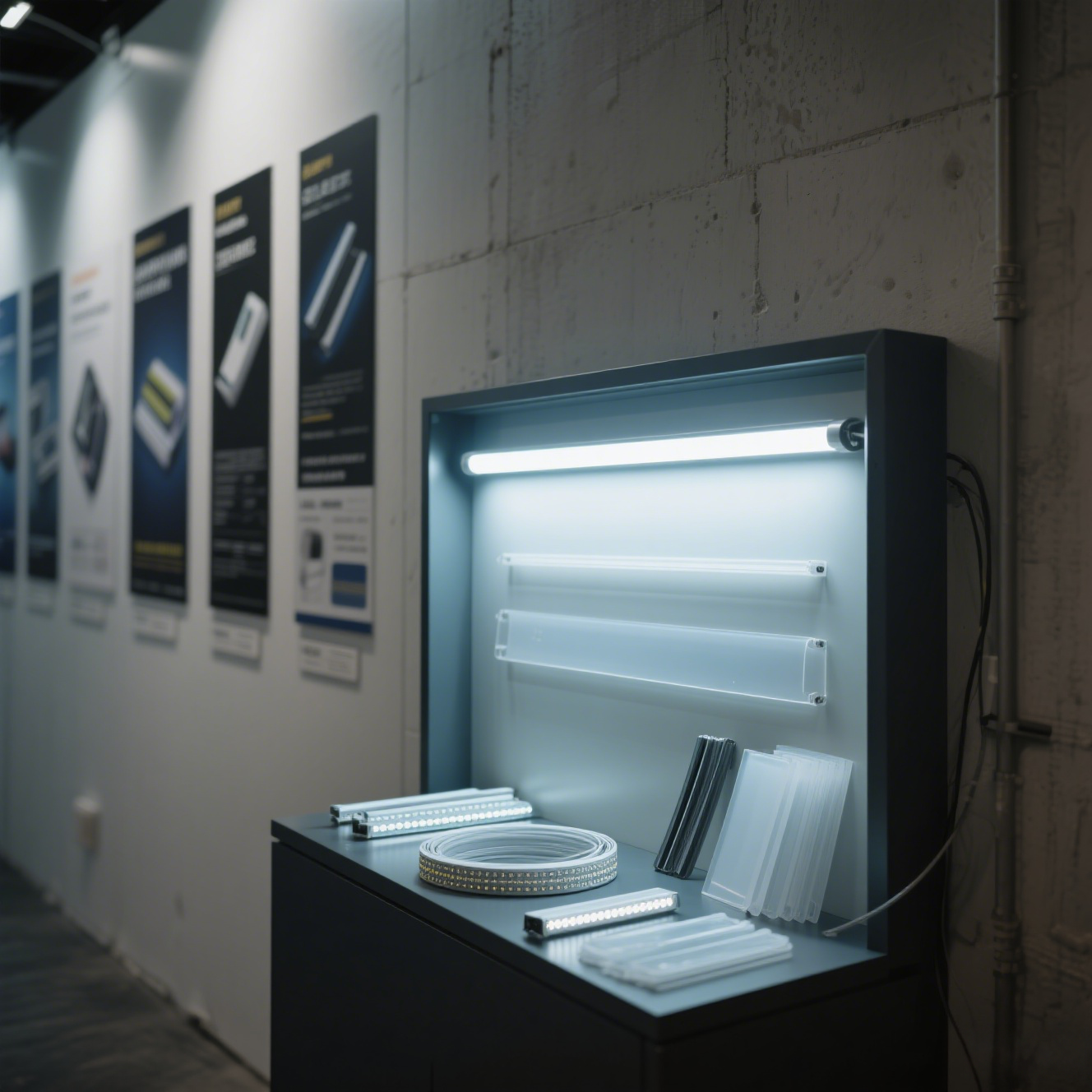
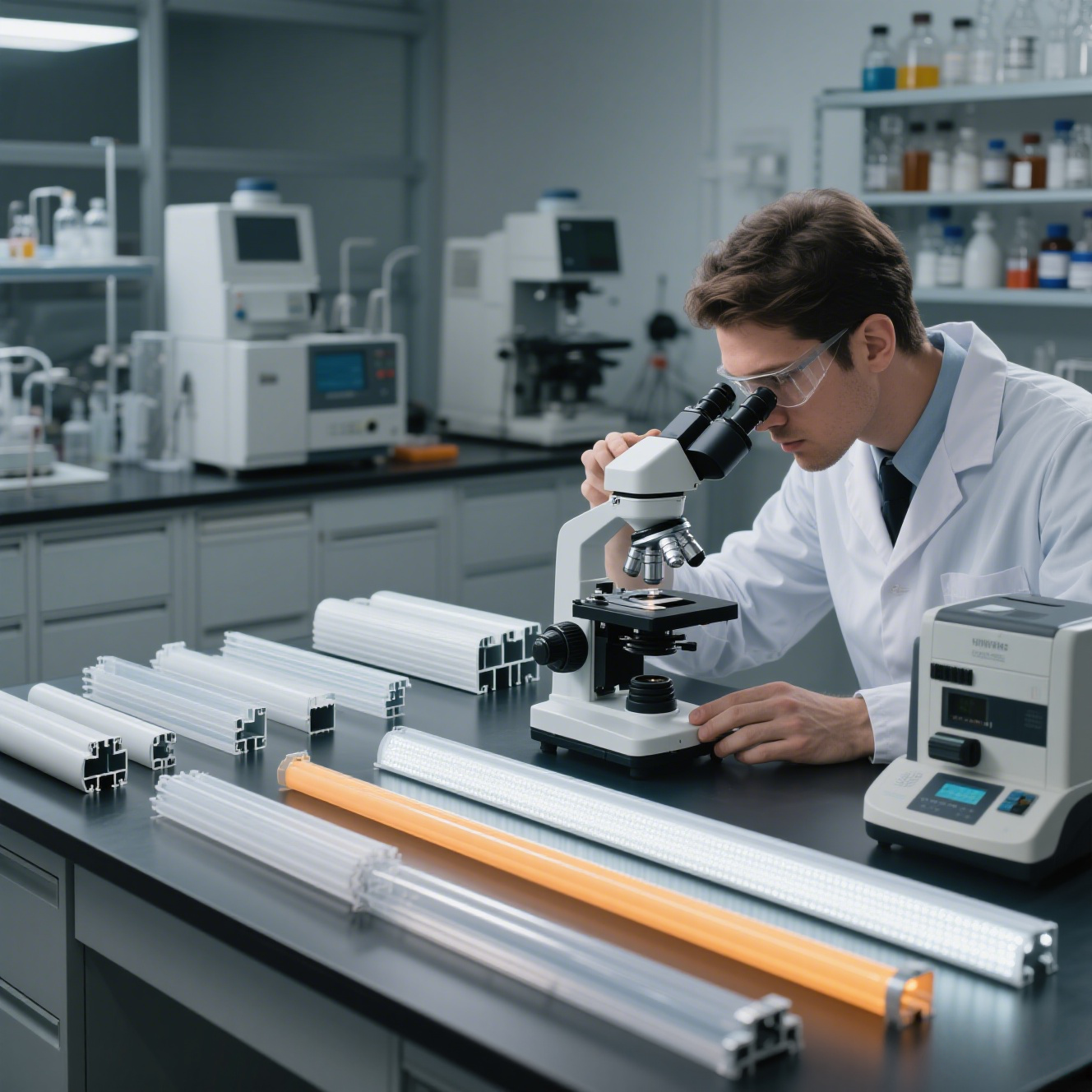
LED plastic tubes often face problems such as uneven light transmission, dimensional deviation, and insufficient heat resistance during production and use. These issues not only affect the performance of lamps but may also shorten the product lifespan. With the help of precision plastic extrusion technology, these common problems can be specifically addressed to improve the quality of LED plastic tubes.
Problem 1: Uneven light transmission. The main reasons are uneven melt mixing during extrusion or unreasonable die runner design. Solution: Use precision screws and static mixers to ensure uniform dispersion of molten materials; optimize the internal runner structure of the die to make the melt flow rate consistent at the die orifice, thereby controlling the circumferential light transmittance difference of the plastic tube within 5%.
Problem 2: Dimensional deviation. It is mostly caused by fluctuations in extrusion speed or unstable traction tension. Solution: Real-time adjust the extruder speed and traction speed through a PLC control system to keep them synchronized; install a laser diameter gauge to monitor the outer diameter of the tube online, feed back data to the control system for dynamic correction, and control the dimensional tolerance within ±0.05mm.
Problem 3: Insufficient heat resistance. LED lamps generate heat during long-term operation, and if the plastic tube has poor heat resistance, it is prone to deformation. Solution: Add heat-resistant modifiers to the raw materials, such as glass fiber reinforcement or high-temperature resistant additives; adjust the extrusion process parameters to reduce the melt temperature and extend the cooling time, thereby increasing the heat distortion temperature of the plastic tube to above 120℃ to meet the heat dissipation requirements of LED lamps.